The short answer
Plan the route before the equipment
Furniture moving is safest when protection, measurements and access planning happen before move day. The more awkward or valuable the furniture, the more important photos, disassembly planning and insurance clarity become.
- Measure furniture, doorways, stairs and lifts before booking a furniture move.
- Protection should include floors, wrapping, secure loading and careful unloading.
- Antiques, pianos, glass furniture and valuable pieces need specialist planning.
- Professional disassembly can prevent damage when furniture will not fit in one piece.
How Professional Furniture Movers Protect Your Items
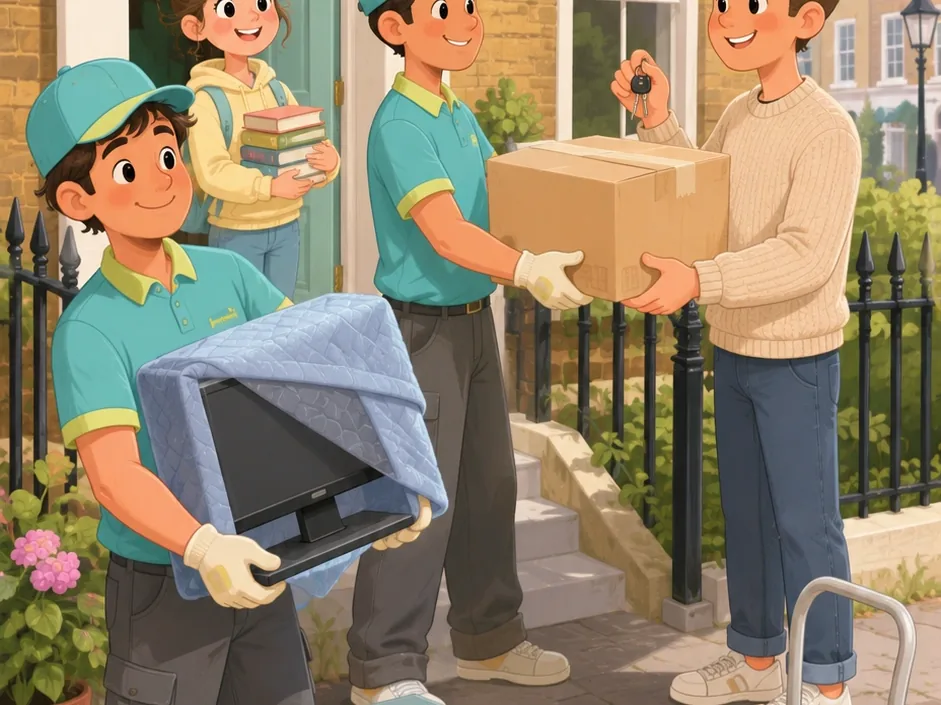
Professional furniture moving starts with protection, not lifting. Floors, bannisters, door frames and the furniture itself need to be considered before the first item is carried.
The key layers are floor protection, furniture wrapping, secure loading, careful unloading and professional disassembly where needed.
Floor Protection
Protecting floors and shared areas reduces scratches, dents and complaints in flats, houses and managed buildings.
Furniture Wrapping
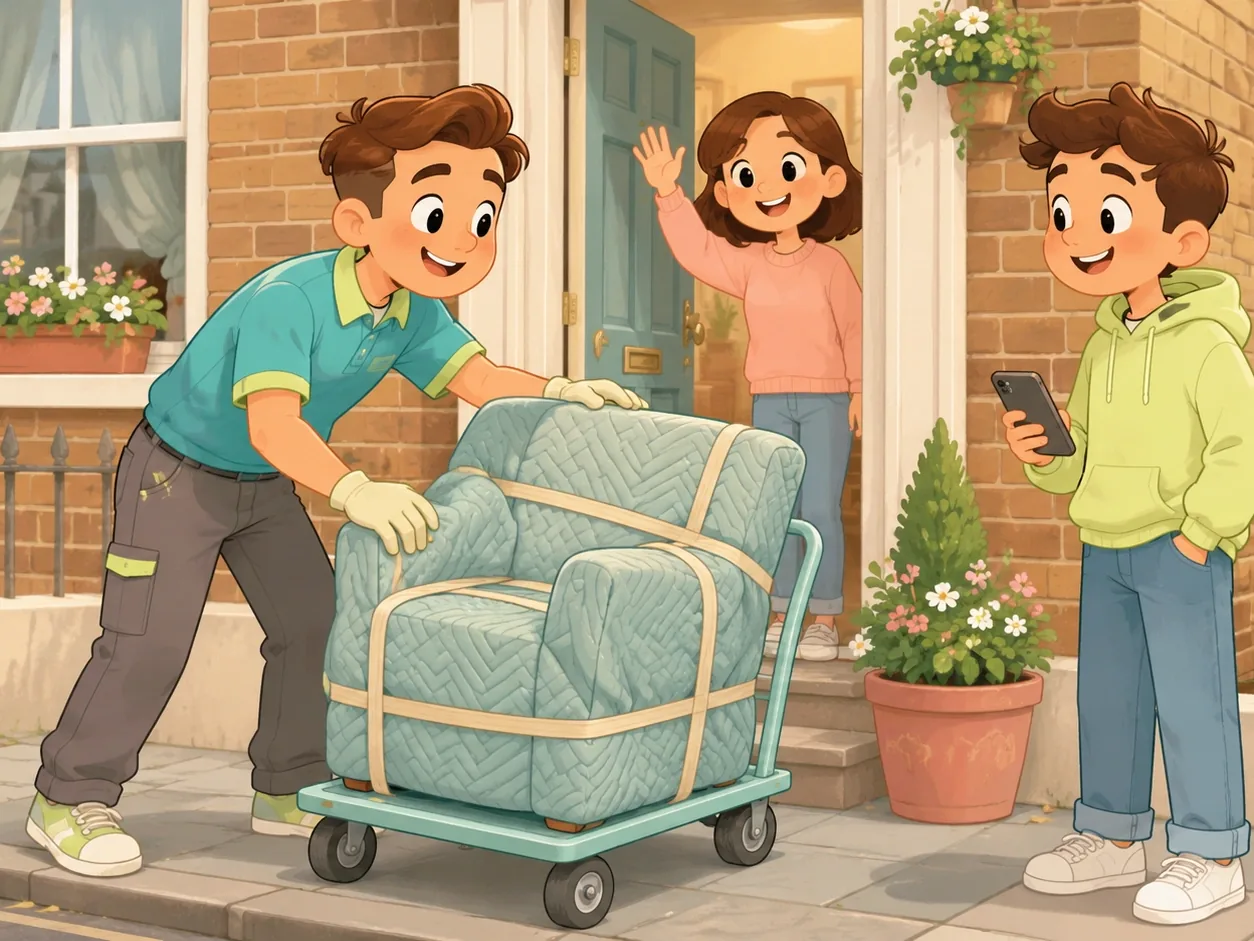
Blankets, shrink wrap and edge protection help prevent scratches, fabric marks and chipped corners.
Secure Loading in the Van
Furniture should be loaded in a stable order and strapped so it cannot shift during London traffic.
Disassembly and Reassembly
Beds, tables and wardrobes often move more safely when taken apart and rebuilt at the destination.
How Much Does It Cost to Move Furniture?
Furniture moving cost depends on the number of items, weight, access, distance, crew size and whether disassembly or specialist handling is needed.
A single sofa or table can be a small man and van job. A full home of furniture needs a larger crew, more time and more careful loading order.
Moving Basic Furniture
Sofas, beds, tables and chairs are usually priced by time and crew size when access is straightforward.
Moving Special Furniture
Antiques, pianos, fragile glass pieces and very heavy items are quoted after photos and access checks.
Related reading: Sofa Assembly & Dismantling Guide for Moving and London Narrow Staircase Furniture Access Solutions.
Types of Furniture and How They're Moved
Different furniture fails in different ways. Sofas fail at turns, wardrobes flex, beds lose fittings, pianos are weight-sensitive and glass tables chip easily.
The safest plan is to identify the awkward items before the move and decide whether they need wrapping, dismantling, extra movers or specialist equipment.
Sofas
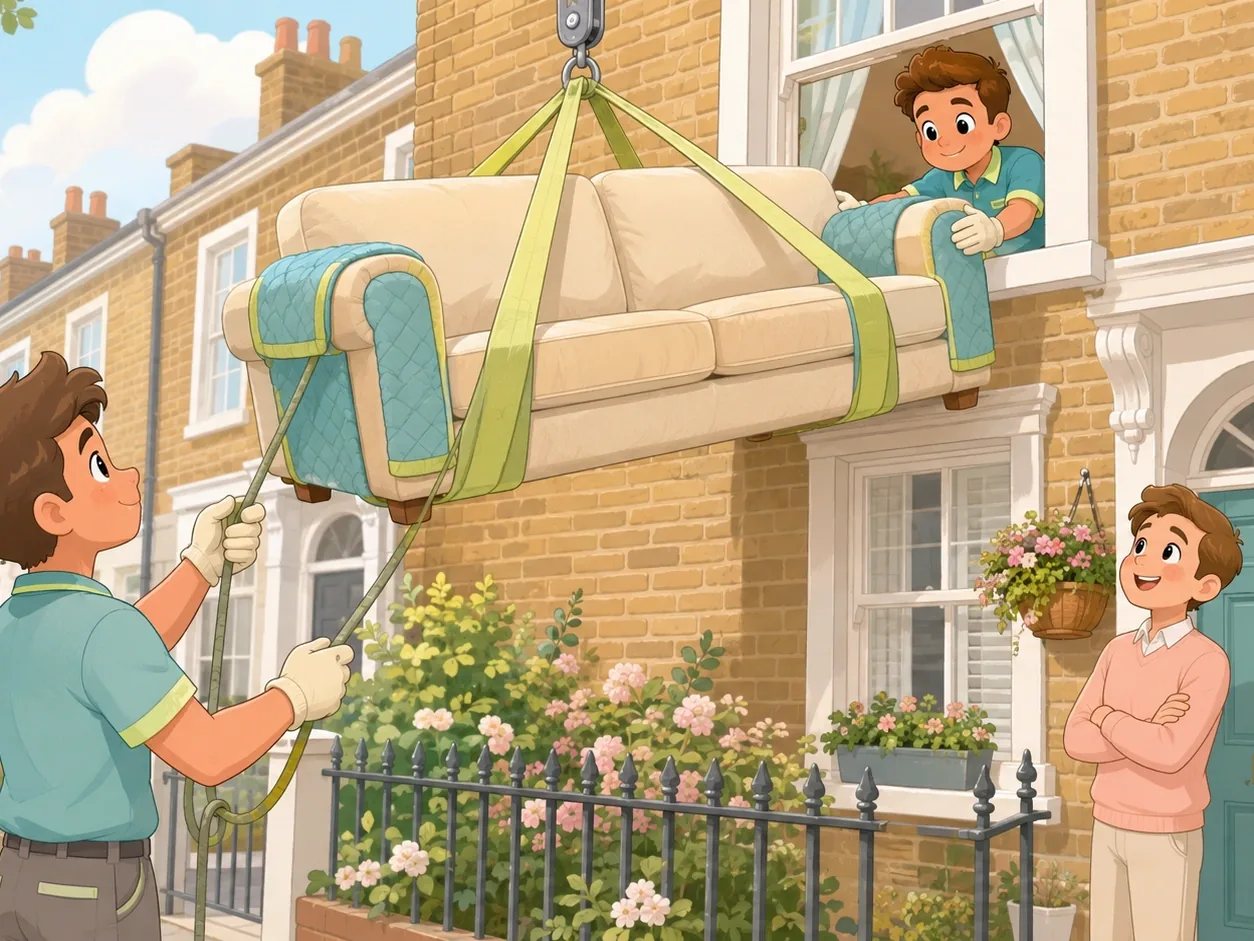
Sofas should be measured against doors, stair turns and lifts. Corner sofas may need modular separation or hoisting.
Beds and Frames
Bed frames should be dismantled carefully with fittings bagged and labelled.
Wardrobes and Built-In Furniture
Large wardrobes often need dismantling. Built-in furniture may not be practical to move.
Pianos
Pianos require proper equipment, balance control and experienced movers because weight distribution is unforgiving.
Common Furniture Moving Mistakes
The most avoidable mistakes are not measuring doorways, trying risky DIY disassembly, failing to protect valuable furniture and leaving fragile items inside drawers.
Other common issues include not telling movers where items should go, not taking pre-move photos and not discussing furniture care before booking.
Decision table
Furniture moving methods compared
| Furniture type | Main risk | Best handling method | Extra note |
|---|---|---|---|
| Sofas | Tight stairs and doorways | Measure, protect and dismantle where possible | Hoisting may be needed if access fails |
| Beds and frames | Lost fittings or frame damage | Dismantle and bag screws clearly | Reassembly should be agreed before booking |
| Wardrobes | Panel flex and stair turns | Dismantle large flat-pack items | Built-ins may not be movable |
| Pianos | Weight and balance | Use specialist equipment and crew | Never treat as normal furniture |
| Glass tables | Chips and cracks | Remove glass tops and wrap separately | Do not load under pressure |
Clear answers
Frequently asked questions
Alpha Movers furniture moves start at £90 for the first two hours with a van and driver, then £40 an hour. With one helper it is £110 for two hours, then £65 an hour, and a medium or Luton van with two helpers is £150 for two hours, then £75 an hour. Heavy, valuable or awkward furniture may be better on a fixed quote after we have seen photos and checked access.
Yes. Most beds, tables, desks and flat-pack wardrobes can be dismantled at the old address and reassembled at the new one, as long as it is agreed before booking. Dismantling and reassembly are charged separately from transport, so list each item that needs it and send photos where you can. Keep the fixings in labelled bags taped to the furniture, and mention any item that has been taken apart before, as old fixings can be worn.
For valuable antiques, specialist handling is strongly recommended. That means proper wrapping for delicate finishes, photographs of the item's condition before it is moved, and a conversation about insurance before booking. Standard removals cover has limits, so declare high-value pieces in advance and check whether extra cover is needed. Mention fragile legs, loose veneers or glass panels so the crew can bring the right materials and plan how to carry each piece.
The crew will first try safe options such as different angles, removing doors or feet, or dismantling the item if it is designed to come apart. If the furniture still cannot pass through the stairs or hallway safely, an alternative route such as hoisting through a window or balcony may be the safest option. Sending measurements of the item and photos of the stairs and doorways before moving day helps avoid the problem altogether.